
"Grade 5"
5000 article(s) found
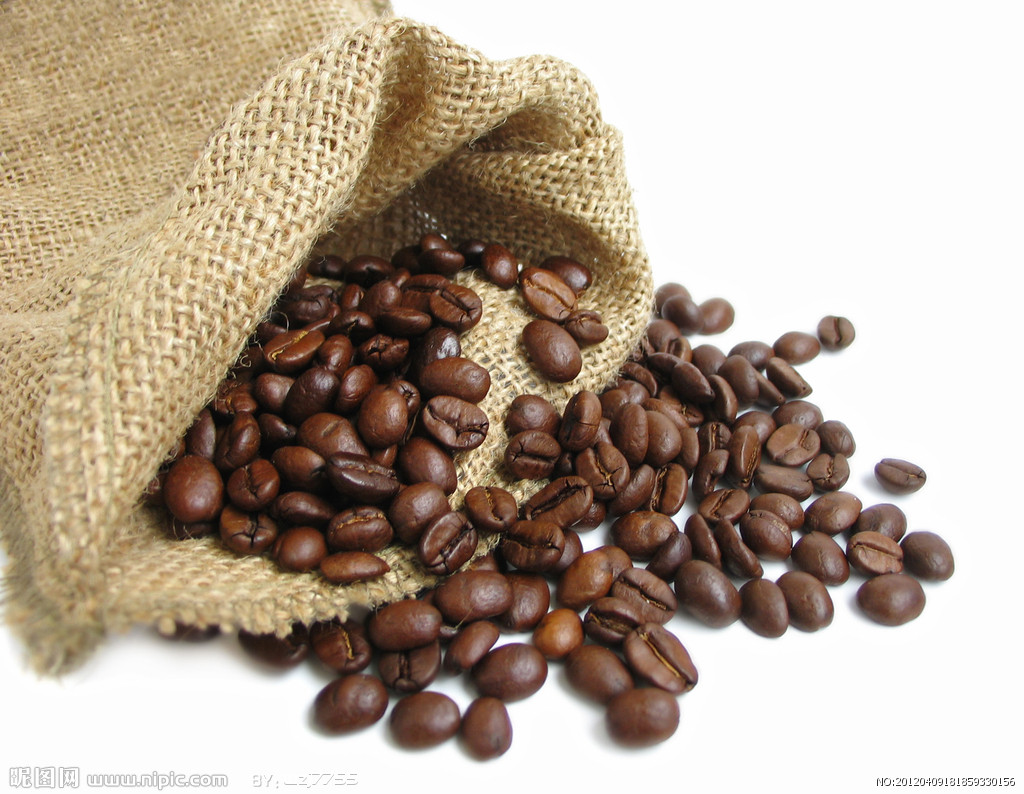
Detailed analysis of coffee beans G1 G2 G3 G4 what is the meaning of what is the processing method
In fact, these Grade-2 and Grade-3 do not completely represent the quality level. What does that mean? As follows: Wash: Grade-1;Grade-2 Sun: Grade-3;Grade-4;Grade-5 and Grade-1 Several points to note: a) Both wash and sun have Gr-1, provided that there are zero defects and Premium Cup. Whether washed or sunburned, Gr-1 is the best of the best or Cu
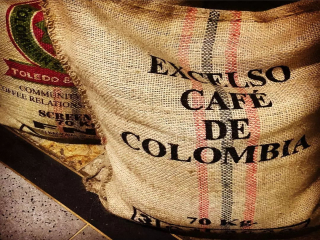
Colombia coffee grade how to divide Colombia coffee beans grade characteristics taste description
Professional coffee knowledge exchange More coffee bean information Please pay attention to coffee workshop (Weixin Official Accounts cafe_style) Colombia coffee beans are very well known in the world, and the high-quality washed beans produced have always been representatives of high-quality coffee. Coffee beans exported from Colombia, checked for specific gravity and manually selected

Introduction of quality manor by description of taste and flavor in coffee bean producing area of Uganda
Acidity (brightness) (1-10): 8 taste (layering) (1-10): 8.5 taste (alcohol thickness) (1-5): 4 aftertaste (residue) (1-10): 8.1 balance (1-5): 0 basic score (50): 50 total score (maximum 100): 85.2 strength / main attributes: medium strength / oil content

Home-baked boutique coffee (5) Harald, Ethiopia
Ethiopia, as the hometown of coffee, plays an important role in the field of coffee in the world because of its superior natural conditions and long history of coffee production and drinking. Coffee was first discovered 1500 years ago in the Kafa region of southern Ethiopia. Up to now, there are still a large number of wild primitive coffee trees in the country, and many farmers have coffee trees in their courtyards.

What does Yega Sheffield coffee G1 G2 stand for?
Following caf é (Wechat official account vdailycom) found that Beautiful Cafe opened a small shop of its own wash: Grade-1;Grade-2 Sun: Grade-3;Grade-4;Grade-5 and Grade-1 A few points to note: a) both wash and sun, there is Gr-1, as long as zero defects and Premium Cup. Whether it's washing or tanning, Gr-1 is the best of the boutiques or Cup.
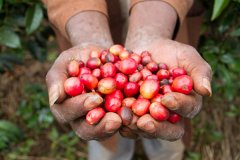
Colombian coffee raw bean grading method
One: according to the defect rate, the number of defective beans allowed per 500 gr sample:-Private raw bean exporter: 72 defects-National Coffee Council: 42 defects defective beans are divided into two types:-first: known as first-level defects-second: called second-level defects first: main defects (defects that affect coffee taste characteristics): black beans, moldy beans.

Ethiopian coffee raw beans introduce cup size in coffee shop
The highest grades of Ethiopian washed coffee Yega Chuefei G1 G2 Sidamo (Yirgacheffe, Sidamo) are Grade 2 and Grade 3 (G2, G3), while most of the sun-processed coffee in eastern Ethiopia are Grade 4 or Grade 5 (G4, G5). In many cases, level 4 coffee is marked as level 5 in order to reduce taxes. At present, the grading is not uniform and messy, because there is also sun processing.

What are the categories of Robusta coffee beans
Following Cafe (official account vdailycom of Wechat) found that Beautiful Cafe opened a small shop of its own. In fact, Robusta also falls into many categories and can't generalize or pursue price blindly. Among the big coffee countries, Robusta is a major producer of Vietnam, Brazil, Indonesia, India and so on. Like Arabica, Robusta in each country has a corresponding hierarchy.

Introduction to the producing area of Coffee Flavor description Grinding scale in Yega Ficher Manor, Ethiopia
Ethiopian coffee flavor description grinding scale varieties introduce the grades of Ethiopian coffee: Ethiopian washed coffee Yega Sheffield G1 G2 Sidamo (Yirgacheffe, Sidamo) the highest grades are Grade 2 and 3 (G2, G3), while sun-processed coffee in eastern Ethiopia is mostly Grade 4 or Grade 5 (G4, G5). In many affections

Colombian coffee is classified according to defective beans.
According to the classification of defective beans, defective beans can be divided into two types:-first: called first-class defects-second: called second-level defects. First: main defects (defects that affect the taste characteristics of coffee): black beans. Private exporters of moldy beans or sour beans: no more than 12 national coffee committees: no more than 8 first-level defective beans, second: secondary defects
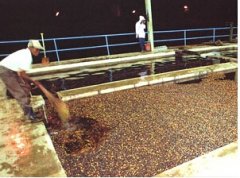
Characteristics of Colombian boutique coffee beans Colombian boutique coffee
According to the classification of defective beans, defective beans can be divided into two types:-first: called first-class defects-second: called second-level defects. First: main defects (defects that affect the taste characteristics of coffee): black beans. Private exporters of moldy beans or sour beans: no more than 12 national coffee committees: no more than 8 first-level defective beans, second: secondary defects

Unique Ethiopian Coffee Estate Boutique Coffee Bean Cultivation Location Climate Sea
Ethiopia is home to Arabica coffee, and it is in the forests of the Ethiopian Kaffa region that you can see Arabica coffee growing wild. In Ethiopian, coffee is called Bun or Buna, and coffeebean may be translated from Kaffa Bun. Arabica coffee was discovered early in the Harar area and is likely to come

Colombia coffee defect rate standard What is Excelso grade standard Colombia coffee
Coffee in Colombia comes all the way from Venezuela. But in Colombia, the first place to grow coffee in large quantities was here in the province of Quincy, near this estate. Later, it moved to the coffee triangle near Medellin. At that time, a large number of rare trees, including wax palms, were cut down to plant coffee, which caused great damage to the environment. now he

What are the grades of Colombian coffee beans?
Following the comments (official Wechat account vdailycom) found that Beautiful Cafe opened a small shop of its own. According to the classification of defective beans, defective beans are divided into two types:-first: called first-level defects-second: called second-level defects first: main defects (defects affecting coffee taste characteristics): black beans, moldy beans or sour beans private raw bean exporters: first-level defects.

Flavor description of Ethiopian Coffee beans introduction to Grinding scale of varieties in producing areas
Grade of Ethiopian coffee: Ethiopian washed coffee Yega Chuefei G1 G2 Sidamo (Yirgacheffe, Sidamo) has the highest grades 2 and 3 (G2, G3), while sun-processed coffee in eastern Ethiopia is mostly grade 4 or 5 (G4, G5). In many cases, level 4 coffee is marked as level 5 in order to reduce taxes. At present, the classification is not uniform and there are

Colombian raw and cooked coffee beans Colombian Lazmus manor coffee beans
Second: according to the bean body size Maragogype Marrago bark, special tree species, the bean body is huge, the total yield is less. Supremo super grade, bean body less than 17 mesh but more than 14 mesh not more than 5% Supremo screen18+ 18 + super grade, sample bean body less than 18 mesh but more than 14 mesh not more than 5% Excelso Extra first grade, sample bean body in 16 mesh

Is supremo the Best Coffee Bean? how supre are Columbia supremo Coffee beans?
Professional coffee knowledge exchange more coffee bean information please follow the coffee workshop (Wechat official account cafe_style) Front Street-Columbia Coffee grading system introduction if you have different kinds of Colombian coffee sacks, you will find that each sack will be written Excelso-Caf de Colombia. Whether it's EP,SUPREMO,UGQ, as long as it meets Colombian exports.
Colombian coffee raw bean grading method
One: according to the defect rate, the number of defective beans allowed per 500 gr sample:-Private raw bean exporter: 72 defects-National Coffee Council: 42 defects defective beans are divided into two types:-first: known as first-level defects-second: called second-level defects first: main defects (defects that affect coffee taste characteristics): black beans, moldy beans.

Grading of raw coffee beans
At present, there are three main rating criteria for raw coffee beans, and different countries adopt different rating methods according to their own production conditions and national conditions (not all coffee producing countries adopt the same method). Let's introduce these three popular rating methods. One: the reason for the emergence of such a classification standard according to the altitude of the coffee producing area is mainly because of the high level.

Brief introduction and grading of Ethiopian Coffee beans
Most of the sun-processed coffee in eastern Ethiopia are grade 4 or grade 5 (G4, G5). In many cases, level 4 coffee is marked as level 5 in order to reduce taxes. At present, the grading is not uniform and a bit messy, because there are also first-and second-tier (Grand G2) Yirga Cheffe coffee processed by solarization, but the highest grade of Harald (Harar) is level four (